What Are the Most Common Fail Points in Food Safety Inspections?
Food safety inspections consistently reveal five critical fail points that jeopardize compliance and consumer safety. Food storage errors top the list, followed by sanitation lapses, cross-contamination risks, labeling deficiencies, and pest control failures. These violations occur across restaurants, food manufacturing facilities, and retail operations regardless of size or experience.
The consequences extend far beyond a poor inspection score. Businesses face:
- Immediate closure orders for severe violations posing imminent health risks
- Financial penalties ranging from hundreds to thousands of dollars per violation
- Legal notices requiring corrective action within strict timeframes
- Reputation damage when inspection results become public record
- Loss of certifications needed for supplier contracts or distribution
Each fail point represents a breakdown in food safety protocols that puts consumers at risk while threatening business viability. Understanding these common pitfalls allows operators to implement preventative measures before inspectors arrive.
How Does Improper Food Storage and Handling Lead to Inspection Failures?
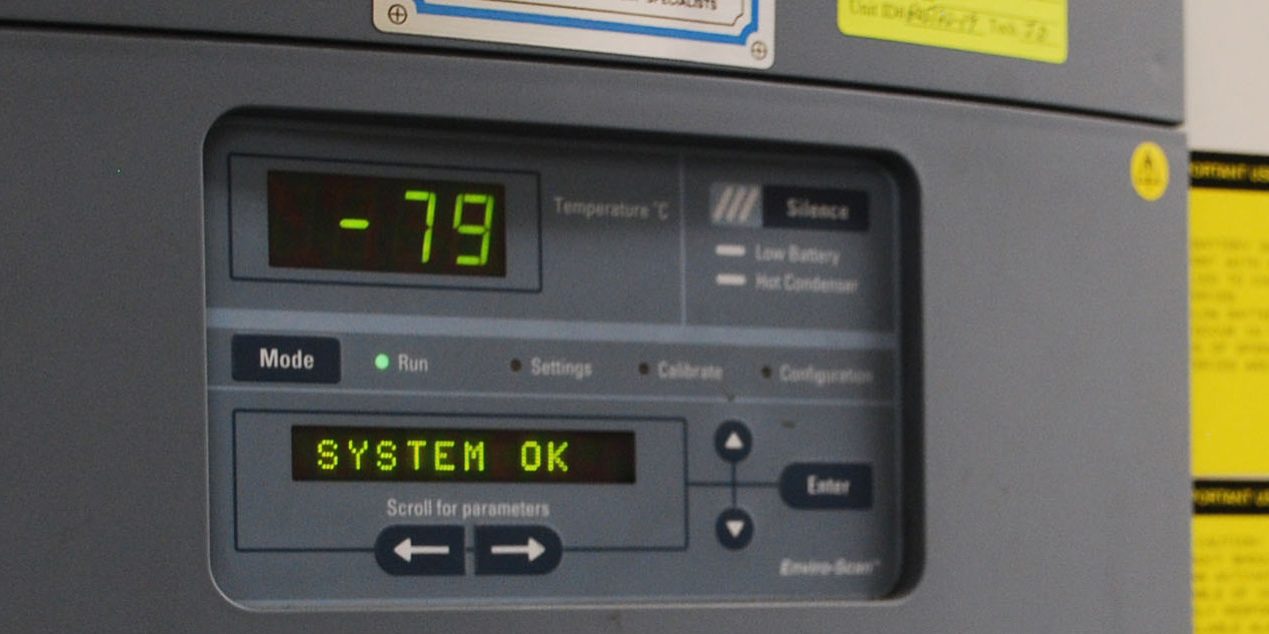
From a compliance and risk-management standpoint, temperature control gaps remain the primary driver behind storage-related non-conformities identified during food safety inspection processes. When products are held outside validated temperature thresholds—below 41°F for cold storage or above 135°F for hot holding—the operational environment rapidly becomes non-compliant, significantly accelerating bacterial proliferation within a matter of hours and increasing the likelihood of adverse inspection outcomes.
Businesses often make these critical storage mistakes:
- Overloading refrigeration units, which blocks airflow and creates warm spots
- Storing raw proteins above ready-to-eat items, allowing for drip contamination
- Failing to date-mark perishables, which leads to using expired products
- Using thermometers that haven’t been calibrated properly, resulting in inaccurate readings
Each violation directly affects efforts to prevent food spoilage and maintain regulatory compliance. Inspectors immediately flag temperature abuse because it poses immediate health risks. If a refrigeration unit fails, it can contaminate entire batches of inventory, requiring product disposal and potentially causing outbreaks of foodborne illness.
Inadequate handling procedures make storage problems worse. Violations such as staff touching ready-to-eat foods without gloves, using the same cutting boards for different types of food, or neglecting handwashing between tasks are all serious offenses that inspectors will document and penalize.
How Can Poor Sanitation Practices Affect Food Safety Audit Results?
Poor sanitation practices create direct pathways for bacterial growth and contamination, making them one of the fastest ways to fail a food safety audit. Equipment sanitization and kitchen surface cleanliness must meet strict hygiene standards to prevent foodborne illness outbreaks.
Regular cleaning protocols for equipment and surfaces form the foundation of food safety compliance. Inspectors specifically look for buildup on slicers, cutting boards, prep tables, and refrigeration units. Food residue left on equipment becomes a breeding ground for pathogens like Salmonella, E. coli, and Listeria.
Common sanitation lapses include:
- Inadequate cleaning frequency between food preparation tasks
- Using worn or damaged cutting boards that harbor bacteria
- Failing to sanitize food contact surfaces after each use
- Neglecting hard-to-reach areas like equipment crevices and drain covers
- Missing or expired sanitizer test strips
Unsanitary conditions directly contribute to contamination risks by allowing bacteria to transfer from surfaces to food products. A single unwashed prep surface can contaminate multiple food batches throughout a shift, creating widespread safety hazards that inspectors will immediately flag for corrective action.
Why Is Cross-Contamination a Major Risk During Food Safety Inspections?
Cross-contamination occurs when harmful bacteria, allergens, or other contaminants transfer from one food item, surface, or utensil to another. This transfer can happen through direct contact—such as raw meat touching ready-to-eat foods—or indirect contact via shared cutting boards, knives, or unwashed hands.
The dangers go beyond just bacterial pathogens. Allergen control failures are also a significant threat because even small amounts of allergens like peanuts, shellfish, or gluten can cause severe reactions in sensitive individuals. Inspectors pay close attention to separate preparation areas, dedicated equipment for allergen-containing foods, and clear hygiene protocols that prevent cross-contact.
Health standards require strict measures to prevent contamination:
- Designated color-coded cutting boards and utensils for different food types
- Physical separation between raw and cooked food storage areas
- Handwashing stations positioned strategically throughout preparation zones
- Regular sanitization between tasks involving different ingredients
Violations in these areas often lead to critical inspection failures since the risk to consumer health is immediate and severe.
What Problems Arise from Inadequate Labeling and Documentation?
1. Labeling Compliance Failures
Labeling compliance failures create immediate inspection violations that put consumers at risk. Incomplete or inaccurate labels missing critical allergen information can trigger severe allergic reactions, while improper date marking on perishables leads to spoilage risks that inspectors flag instantly.
2. Record Keeping Deficiencies
Record keeping deficiencies expose businesses to serious compliance gaps during audits. Missing temperature logs, incomplete cleaning schedules, or undocumented corrective actions signal systemic failures in food safety management. Inspectors view these gaps as evidence that proper procedures aren’t being followed consistently.
3. Audit Trail Issues
Audit trails become impossible to verify when documentation is scattered, illegible, or absent. Paper-based systems often result in:
- Lost or damaged records that can’t be retrieved during inspections
- Inconsistent data entry creating gaps in monitoring history
- Inability to prove compliance with HACCP requirements
- Failed verification of employee training completion
Inspectors frequently cite documentation failures as grounds for violations because they cannot confirm that safe practices are actually being implemented. A single missing log can invalidate weeks of compliance efforts.
How Does Pest Infestation Impact Food Safety Compliance?
Pest infestations pose immediate health risks by contaminating food products, surfaces, and packaging materials with droppings, hair, and disease-causing pathogens. Rodents, cockroaches, and flies carry bacteria like Salmonella and E. coli that can trigger foodborne illness outbreaks and severe regulatory consequences. This is why pest control is important for restaurants, as it directly impacts food safety compliance.
Common Violations Cited by Inspectors
Inspectors frequently cite businesses for:
- Visible pest activity
- Droppings near food storage areas
- Gnaw marks on packaging
- Inadequate pest control measures
These violations not only jeopardize the health of consumers but also lead to serious food hygiene inspection issues.
Weaknesses in Infestation Prevention Protocols
Gaps in doors, unsealed entry points, and improper waste management attract pests and signal weak infestation prevention protocols.
Key Components of Effective Pest Control Programs
Effective pest control programs require:
- Scheduled professional inspections by licensed exterminators
- Sealed entry points including cracks, vents, and drainage systems
- Proper waste disposal with covered bins emptied regularly
- Monitoring devices like traps placed strategically throughout facilities
- Staff training on identifying early warning signs
These components are crucial in maintaining compliance with sanitation performance standards, which are essential for regulatory compliance.
Importance of Documentation in Regulatory Compliance
Regulatory requirements mandate documented pest control activities, including inspection logs and corrective action records. Missing documentation during audits results in automatic violations regardless of current pest-free conditions.
How Food Safety Software Prevents Common Inspection Failures
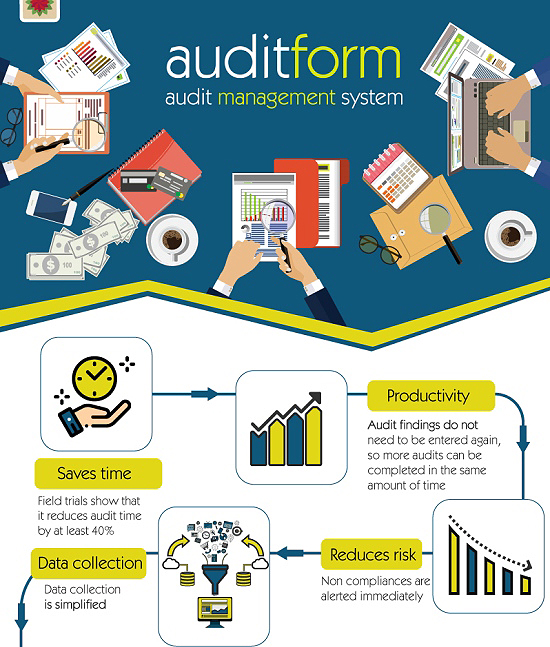
Food safety software addresses the five most common inspection failures through integrated digital solutions that eliminate manual oversight gaps. Modern platforms transform how businesses manage compliance by automating critical monitoring tasks and standardizing procedures across all operations.
1. Preventing Storage and Handling Failures
Real-time monitoring software tracks temperature-sensitive storage areas continuously through wireless sensors, delivering automated alerts the moment conditions deviate from safe ranges. This immediate notification system prevents spoilage and contamination before products reach consumers, directly addressing storage and handling failures.
2. Ensuring Consistent Sanitation Practices
HACCP checklists built into these platforms ensure staff follow standardized procedures for sanitation, pest control, and cross-contamination prevention. Customizable templates align with specific regulatory requirements while maintaining consistency across shifts and locations.
3. Eliminating Documentation Errors
Centralized cloud-based record keeping automatically captures every temperature reading, cleaning task, and corrective action in a secure digital environment. This comprehensive documentation system eliminates the missing records and inadequate labeling that frequently trigger inspection failures, keeping businesses audit-ready at all times without manual paperwork burdens.
How Does Software Improve Monitoring and Response to Critical Control Points (CCPs)?
Software changes the way we manage CCPs by automatically finding critical control points using built-in hazard analysis automation. The system looks at biological, chemical, and physical hazards in your entire operation, highlighting specific areas where control measures stop food safety risks.
Real-time Monitoring and Instant Alerts
With real-time monitoring capabilities, the software can detect deviations as soon as they happen. If temperatures go beyond safe limits or timing protocols are not followed, the software sends immediate alerts to designated staff members. This quick notification system allows for corrective actions to be taken within minutes instead of hours, stopping small problems from turning into major violations.
Automated Data Collection and Deviation Response
Manual tracking of CCPs relies on staff remembering to check and record data at specific times—a process that is prone to human error. Digital systems remove this risk by automating data collection and validation. When thresholds are exceeded, deviation response plans are automatically triggered, guiding employees through standardized corrective procedures. The software records the time of every action, creating an unchangeable record that proves compliance during inspections.
How Does Digital Record Keeping Enhance Audit Preparedness?
Cloud storage transforms audit preparation from a stressful scramble into a streamlined process. Food safety software centralizes all compliance documentation in secure digital repositories, making records instantly accessible to inspectors and internal teams 24/7 from any device.
The elimination of paper-based filing systems means no more hunting through filing cabinets or missing documents during critical inspections. Digital platforms organize audit trails automatically, categorizing temperature logs, cleaning schedules, supplier certifications, and corrective action reports in searchable databases. Inspectors can retrieve specific records within seconds rather than hours.
Accuracy improves dramatically when software validates data entry in real-time, flagging incomplete fields or inconsistent information before records are saved. Time-stamped entries create transparent audit trails that demonstrate when actions occurred and who performed them. This level of detail satisfies regulatory requirements while protecting businesses from documentation-related violations.
The system maintains version control, preserving historical records even as procedures evolve. Automated backup protocols ensure data remains protected against loss, while role-based access controls maintain security without sacrificing accessibility during audits.

Can Food Safety Software Support Staff Training and Accountability?
Modern food safety platforms embed training modules directly into their systems, delivering standardized education on proper handling techniques, sanitation protocols, and regulatory requirements. Employees access interactive lessons covering critical topics like temperature control, allergen management, and cross-contamination prevention—ensuring everyone receives consistent instruction regardless of shift or location.
Staff compliance tracking features monitor which team members have completed required certifications and when refresher courses are due. Managers receive automated notifications about pending training deadlines, eliminating gaps in knowledge that often lead to inspection failures. Digital signatures and time-stamped completion records create verifiable proof of staff competency.
Accountability tools within these platforms assign specific tasks to individual employees, creating clear ownership of food safety responsibilities. When temperature checks are missed or cleaning schedules fall behind, the system identifies exactly who was responsible and when the lapse occurred. This transparency drives better performance and helps identify team members who need additional support or retraining.
What Are the Broader Benefits of Using Food Safety Software Beyond Inspection Compliance?
Food safety software offers significant benefits that go beyond just passing inspections.
1. Operational Efficiency
Operational efficiency improves dramatically as automated systems eliminate time-consuming manual paperwork, freeing staff to focus on core food preparation and service activities. Digital platforms reduce transcription errors that commonly plague paper-based systems, ensuring data accuracy across all operations.
2. Risk Management
Risk management capabilities strengthen when software enables immediate corrective actions. Real-time alerts allow teams to address potential hazards before they escalate into serious safety incidents, cultivating a proactive safety culture throughout the organization. This shift from reactive to preventive management reduces liability exposure and protects brand reputation.
3. Sustainability Initiatives
Sustainability initiatives benefit substantially from digital transformation. Eliminating paper-based record-keeping reduces environmental impact while supporting corporate responsibility goals. Cloud storage replaces filing cabinets, and digital checklists replace printed forms. These eco-friendly practices align with consumer expectations for environmentally conscious business operations, creating competitive advantages in markets where sustainability matters to customers and stakeholders.
More about Audit Readiness Tools for Food Safety Compliance Teams Preparing for Inspections

Leave a Reply