What Is Food Safety Management Software and Why Is It Important for Restaurants?
Food safety management software is a digital platform that helps restaurants, cafes, hotels, and food retail outlets maintain compliance with food safety regulations while systematically managing hygiene protocols. These systems centralize critical food safety tasks—from temperature logging to HACCP documentation—into one accessible platform that replaces traditional paper-based methods.
The software serves as your digital compliance partner, automatically tracking and recording food safety activities that regulatory bodies require. When health inspectors arrive, you’ll have instant access to complete, organized records rather than scrambling through filing cabinets or handwritten logs.
Restaurant food safety challenges multiply as your business grows. Manual tracking becomes error-prone, staff turnover creates training gaps, and maintaining consistent protocols across shifts proves difficult. Compliance software addresses these pain points by standardizing procedures and creating accountability through digital trails.
The risks of inadequate food safety management extend beyond failed inspections:
- Foodborne illness outbreaks can permanently damage your reputation and lead to costly legal action
- Regulatory violations result in fines, temporary closures, or license revocation
- Inconsistent quality drives customers to competitors who demonstrate reliability
- Operational inefficiencies waste staff time on redundant manual tasks
Choosing the right food safety management software for your restaurant transforms compliance from a burden into a competitive advantage. The technology reduces human error through automated reminders, ensures nothing falls through the cracks during busy service periods, and provides real-time visibility into potential issues before they escalate.
Modern food safety platforms also enhance operational efficiency by eliminating duplicate data entry, generating instant reports for management review, and enabling mobile access so staff can complete checks wherever they work. This streamlined approach frees your team to focus on delivering exceptional dining experiences rather than drowning in paperwork.
What Are the Core Features of Food Safety Management Software?
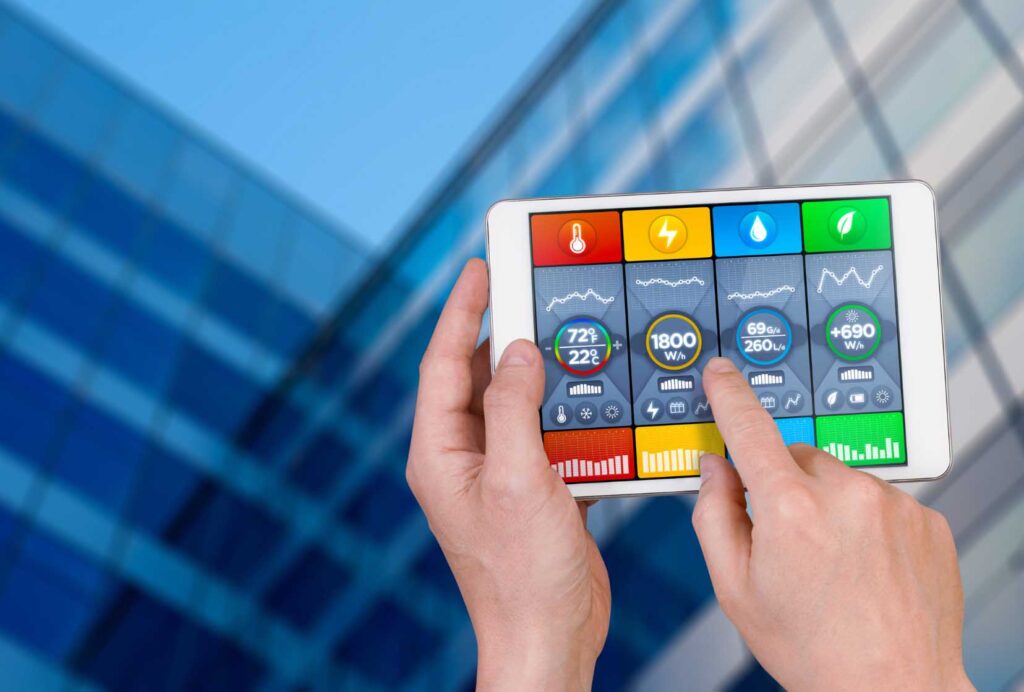
The right food safety management software should include five essential capabilities that work together to protect your restaurant from compliance failures and food safety incidents. These features form the foundation of an effective digital food safety system.
HACCP Management
HACCP management serves as the backbone of any comprehensive food safety program. The software should provide structured frameworks for identifying critical control points in your food preparation processes, from receiving ingredients to serving dishes. Look for systems that guide you through hazard analysis, establish monitoring procedures for each control point, and document corrective actions when thresholds are exceeded. Digital HACCP tools eliminate the confusion of paper-based systems by providing step-by-step workflows that ensure nothing falls through the cracks during busy service periods.
Temperature Monitoring
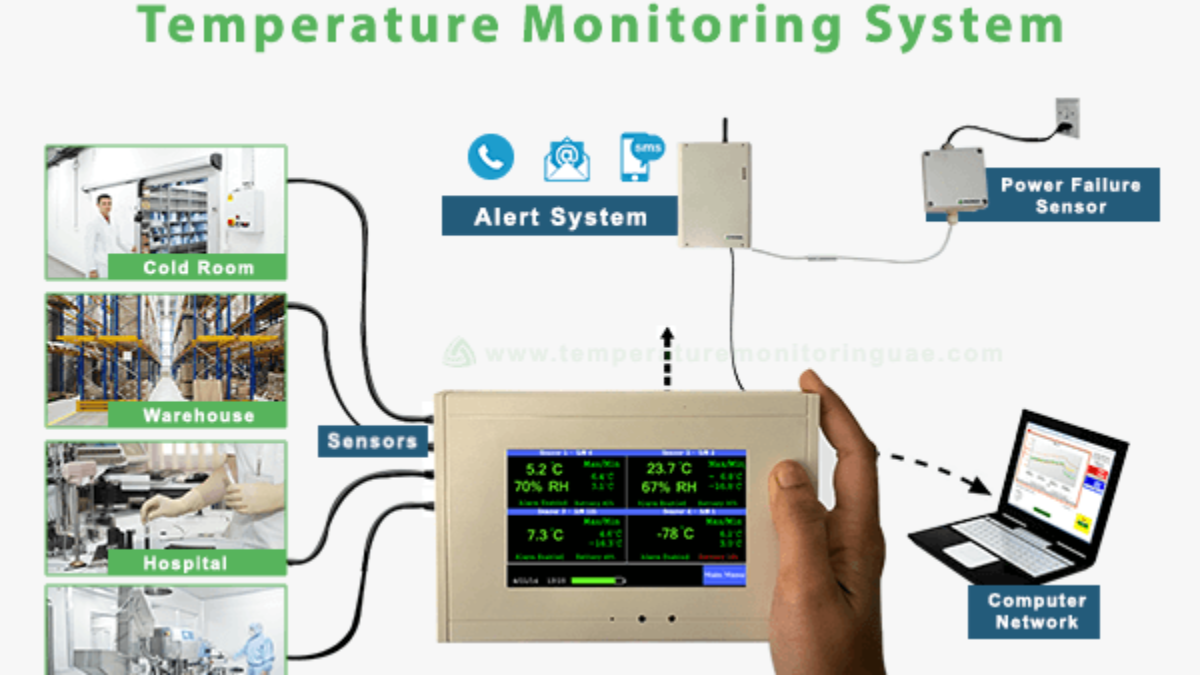
Temperature monitoring capabilities prevent the most common cause of foodborne illness outbreaks. Quality software solutions offer digital logging of refrigerator, freezer, and cooking temperatures with automatic alerts when readings fall outside safe ranges. Some advanced systems integrate with wireless temperature sensors that transmit real-time data directly to the platform, eliminating manual recording errors. The software should store historical temperature records for regulatory inspections and flag patterns that might indicate equipment malfunctions before they compromise food safety.
Training Management
Training management tools ensure your entire team understands and follows food safety protocols consistently. The software should track which employees have completed required certifications, send reminders for upcoming renewals, and provide access to training materials directly within the platform. Digital training modules can be assigned to specific roles, allowing new hires to complete onboarding at their own pace while managers monitor progress. Built-in testing features verify comprehension and maintain records that demonstrate compliance during health inspections.
Audit Support Functionalities
Audit support functionalities transform inspection preparation from a stressful scramble into a streamlined process. The software should generate comprehensive reports that compile all safety records, temperature logs, cleaning schedules, and training documentation in formats that inspectors expect to see. Mobile audit checklists guide staff through self-inspections using the same criteria health departments apply, identifying potential violations before official visits. Photo documentation capabilities allow you to capture evidence of proper procedures and equipment maintenance.
Task Management Systems
Task management systems create accountability for daily food safety responsibilities. The software should allow managers to assign specific tasks related to cleaning, equipment checks, or ingredient inspections to individual team members with due dates and reminders. This feature ensures everyone knows their role in maintaining hygiene standards and reduces reliance on verbal communication or memory alone.
Why Is Compliance with Food Safety Regulations Crucial for Restaurants?
Regulatory compliance protects restaurants from severe financial penalties, legal liabilities, and potential closure. Non-compliance with food safety regulations can result in fines ranging from hundreds to thousands of dollars per violation, depending on jurisdiction and severity. A single health code violation can trigger temporary shutdowns, damaging revenue streams and employment stability.
The Real Cost of Non-Compliance
Restaurant owners face multiple consequences when failing to meet regulatory standards:
- Financial penalties that escalate with repeat violations
- Legal action from customers affected by foodborne illnesses
- Reputation damage that spreads rapidly through online reviews and social media
- Insurance complications including increased premiums or policy cancellations
- Loss of operating licenses in severe cases
A documented foodborne illness outbreak linked to a restaurant can cost businesses between $75,000 and $1.9 million in legal fees, lost revenue, and remediation efforts.
Local and International Standards Vary Significantly
Different regions enforce distinct food safety frameworks. The United States operates under FDA Food Code guidelines, while the European Union follows Regulation (EC) No 852/2004. Australia implements the Food Standards Code, and the UK enforces Food Safety Act 1990 requirements. Restaurants operating multiple locations or serving international tourists must navigate these varying standards simultaneously.
Food safety management software addresses this complexity by incorporating region-specific compliance requirements into its framework. The software automatically updates when regulations change, ensuring restaurants maintain current standards without manual policy tracking.
Digital Documentation Transforms Audit Preparation
Traditional paper-based record systems create vulnerabilities during health inspections. Missing logs, illegible handwriting, or incomplete temperature records provide grounds for violations. Digital systems eliminate these risks by:
- Timestamping every entry to prevent backdating
- Requiring mandatory field completion before task closure
- Storing records in searchable, organized databases
- Generating instant reports for inspector review
- Maintaining multi-year archives accessible within seconds
Real-Time Compliance Monitoring Prevents Violations
Software platforms provide continuous oversight rather than reactive problem-solving. Temperature sensors alert staff immediately when refrigeration units exceed safe thresholds. Automated reminders ensure cleaning schedules stay on track. Digital checklists prevent
How Does Food Safety Software Enhance Operational Efficiency?
Food safety software transforms time-consuming manual processes into streamlined digital workflows that save hours each day. Restaurant staff can complete temperature checks, cleaning logs, and safety protocols in minutes rather than searching for clipboards, filling out paper forms, and manually filing documents.
Proactive Monitoring Prevents Problems Before They Escalate
Proactive monitoring systems alert managers immediately when temperatures drift outside safe ranges or when scheduled tasks go incomplete. A walk-in cooler that reaches 42°F triggers instant notifications to kitchen managers, allowing them to address the issue before food spoilage occurs. This real-time visibility means restaurants catch potential hazards during their shift rather than discovering problems during health inspections.
Temperature sensors connected to the software continuously track critical control points without requiring staff to manually record readings every few hours. The system automatically logs data, flags anomalies, and creates an unbroken chain of documentation that demonstrates consistent monitoring practices.
Automated Reporting Tools Eliminate Manual Documentation
Reporting tools generate compliance documents, trend analyses, and audit-ready reports with a few clicks. Managers who once spent hours compiling weekly safety reports now access pre-formatted summaries that pull data directly from daily operations. The software aggregates temperature logs, cleaning schedules, and corrective actions into comprehensive reports that satisfy regulatory requirements.
Automated reports also reveal patterns that manual tracking might miss. A restaurant might discover that specific equipment consistently operates at borderline temperatures during peak hours, prompting preventive maintenance before failures occur.
Digital Record-Keeping Creates Accessible Documentation
Digital record-keeping replaces filing cabinets full of paper logs with searchable cloud-based archives. When health inspectors request documentation from six months ago, managers retrieve specific records in seconds rather than sorting through boxes of forms. This accessibility proves invaluable during audits and when investigating customer complaints.
The software timestamps every entry and tracks which employee completed each task, creating accountability and preventing backdated documentation. Restaurant chains benefit from centralized record storage that allows corporate teams to monitor compliance across multiple locations from a single dashboard.
Task Automation Ensures Consistency Across Shifts
Task automation assigns food safety responsibilities to specific team members based on their roles and schedules. Opening checklists automatically appear on morning shift tablets, while closing procedures
What Factors Should Restaurants Consider When Choosing Food Safety Software?
Selecting the right food safety management software requires careful evaluation of several critical factors that directly impact implementation success and daily operations. The wrong choice can lead to staff resistance, compliance gaps, and wasted resources.
Does the Software Prioritize Ease of Use?
Ease of use determines whether your team will actually adopt the software or find workarounds. The interface should be intuitive enough for kitchen staff to navigate during busy service periods without extensive training. Look for solutions with clear visual indicators, simple navigation menus, and minimal clicks to complete common tasks like temperature logging or checklist completion.
Test the software with actual team members before committing. A chef or line cook should be able to record a temperature reading in under 30 seconds. If staff struggle during demonstrations, they’ll struggle during peak hours when compliance matters most.
Can the Software Integrate with Your Current Systems?
Software integration capabilities prevent data silos and duplicate work. Your food safety solution should connect with existing point-of-sale systems, inventory management platforms, and employee scheduling tools. This connectivity allows automatic correlation of food safety data with sales patterns, supplier information, and staff assignments.
Consider these integration points:
- Inventory systems for tracking product batches and expiration dates
- POS platforms to link food safety incidents with menu items
- HR software for training records and certification tracking
- Supplier databases for receiving documentation and quality reports
Restaurants using multiple disconnected systems often miss critical patterns that integrated solutions reveal automatically.
Is Mobile Accessibility Built Into the Platform?
Mobile accessibility transforms food safety from a paperwork burden into a real-time management tool. Kitchen staff need to log temperatures, complete checklists, and report issues directly from their smartphones or tablets at the exact moment and location where tasks occur.
Evaluate mobile functionality beyond basic access. The app should work offline in areas with poor connectivity, automatically syncing data when connection returns. Photo documentation capabilities allow staff to capture evidence of cleaning procedures, equipment conditions, or delivery issues instantly. GPS tagging verifies that checks happen at the correct locations across multi-site operations.
Mobile dashboards give managers visibility into compliance status from anywhere, enabling immediate intervention when issues arise rather than discovering problems during end-of-day reviews.
How Can Food Safety Software Build Customer Trust and Confidence?
Food safety software turns behind-the-scenes processes into visible proof of a restaurant’s dedication to maintaining cleanliness. With digital systems in place, restaurants can now keep track of their safety measures and provide evidence that they are consistently following regulations. This not only assures customers that their food is being prepared in a safe environment but also demonstrates that the restaurant takes food quality seriously.
What role does technology play in demonstrating safety commitments?
Technology plays a crucial role in turning vague promises about safety into concrete actions. By using digital platforms to monitor critical control points, restaurants can create time-stamped records of every safety check conducted throughout the day. This documentation serves as proof that food safety is not just something written down but an active priority for the establishment.
Here are some ways technology helps demonstrate safety commitments:
- Digital checklists: These ensure that staff members complete all necessary tasks without relying on memory or manual logs, which can easily be forgotten or misplaced.
- Automated alerts: Managers receive immediate notifications when temperatures go out of range or when cleaning tasks are overdue, preventing small mistakes from turning into major risks.
- Systematic approach: The use of software eliminates human error in record-keeping, ensuring accuracy and reliability in documentation.
How can restaurants communicate safety efforts to customers?
Building customer confidence requires making safety practices visible rather than keeping them hidden. Here are some effective strategies for showcasing food safety commitments:
- Display certifications prominently: Feature digital certificates and audit scores on your website, social media platforms, and in-store displays.
- Share behind-the-scenes content: Use photos or videos to show temperature monitoring systems and cleaning protocols in action.
- Publish transparency reports: Provide periodic summaries of safety metrics such as completion rates on daily checklists to build credibility.
- Respond to inquiries with data: When customers ask about allergen protocols or ingredient sourcing, have staff access precise information instantly through mobile apps.
Additionally, consider placing QR codes on tables or menus that link to real-time safety dashboards. These dashboards can display current kitchen temperatures, recent inspection scores, or staff certification status—giving customers immediate access to information they seek before dining at your establishment.
Conclusion
The right food safety management software transforms how restaurants protect their customers and their business reputation. Digital solutions provide the framework needed to systematically address food safety risks reduction while maintaining the documentation trail required during health inspections.
Choosing the Right Food Safety Management Software for Your Restaurant requires careful evaluation of your specific operational needs. Consider your team’s technical capabilities, the complexity of your menu, your volume of daily transactions, and the regulatory requirements in your jurisdiction. The software should simplify rather than complicate your daily workflows.
Investment in robust restaurant management solutions pays dividends through reduced waste, fewer compliance violations, and enhanced staff accountability. The cost of implementing proper food safety software pales in comparison to the potential expenses of a foodborne illness outbreak, failed health inspection, or damaged reputation.
Your selection should prioritize:
- Intuitive interfaces that encourage consistent staff adoption
- Real-time monitoring capabilities for immediate issue identification
- Comprehensive reporting that satisfies regulatory requirements
- Scalability to grow alongside your restaurant operations
- Reliable customer support for technical assistance and compliance guidance
The restaurant industry operates on thin margins where a single food safety incident can prove catastrophic. Digital food safety management software provides the systematic approach needed to protect your customers, employees, and business investment. The question isn’t whether your restaurant can afford this technology—it’s whether you can afford to operate without it.
Related: Mitigating Risk Through Food Safety Compliance and Risk Management

Leave a Reply